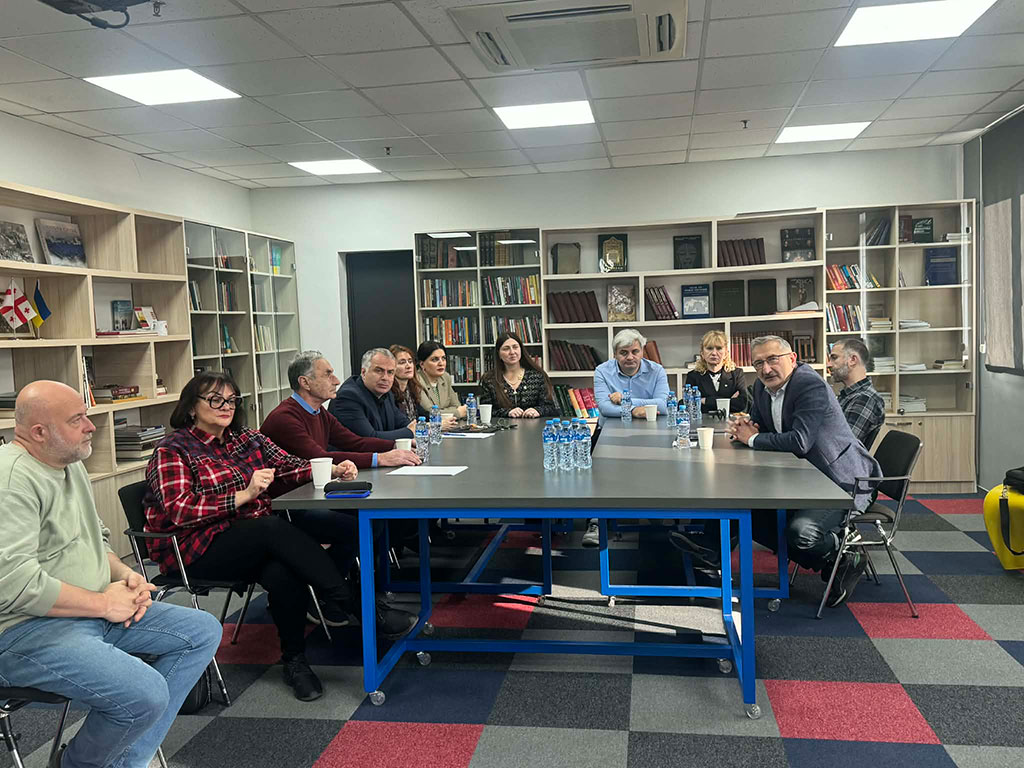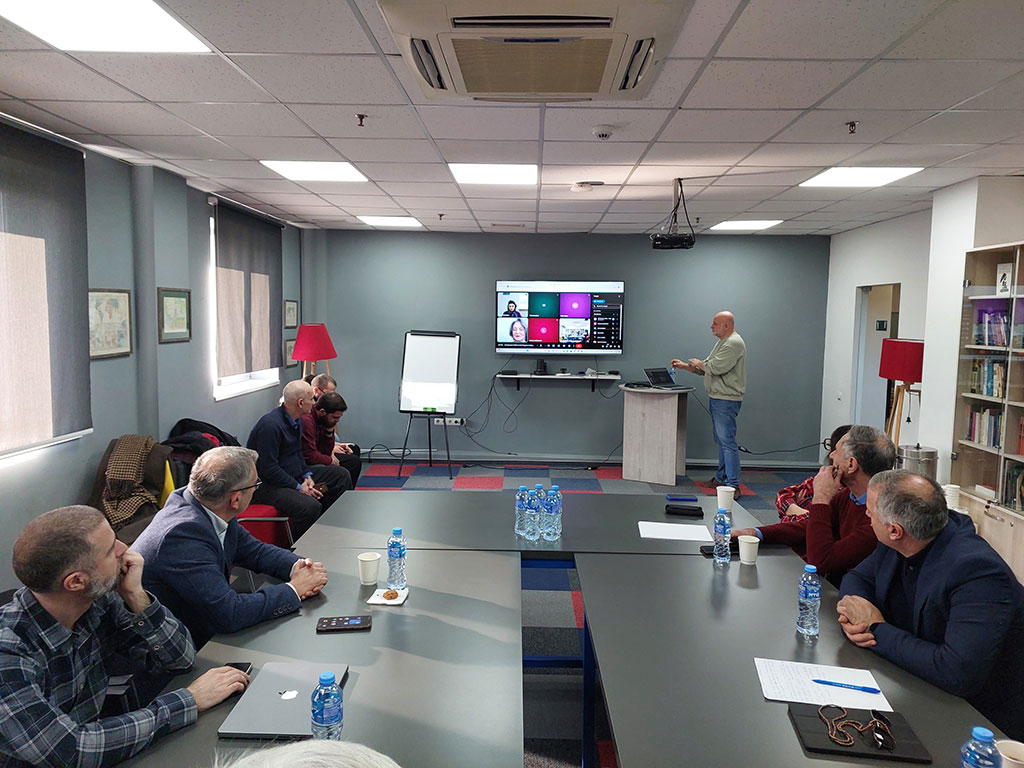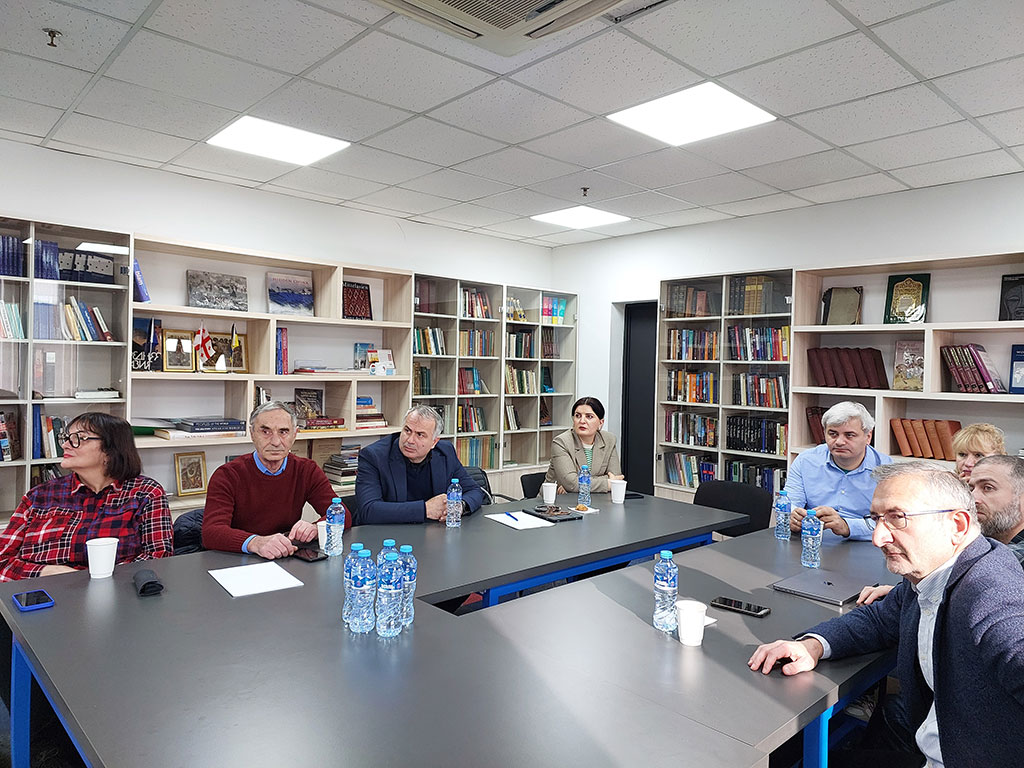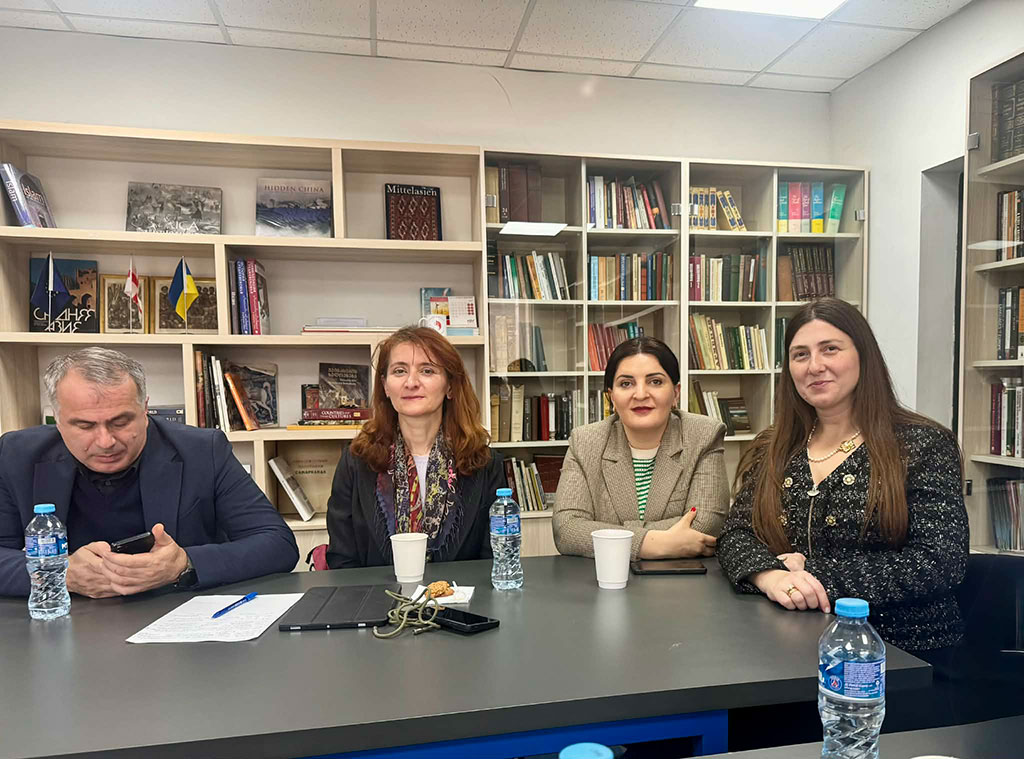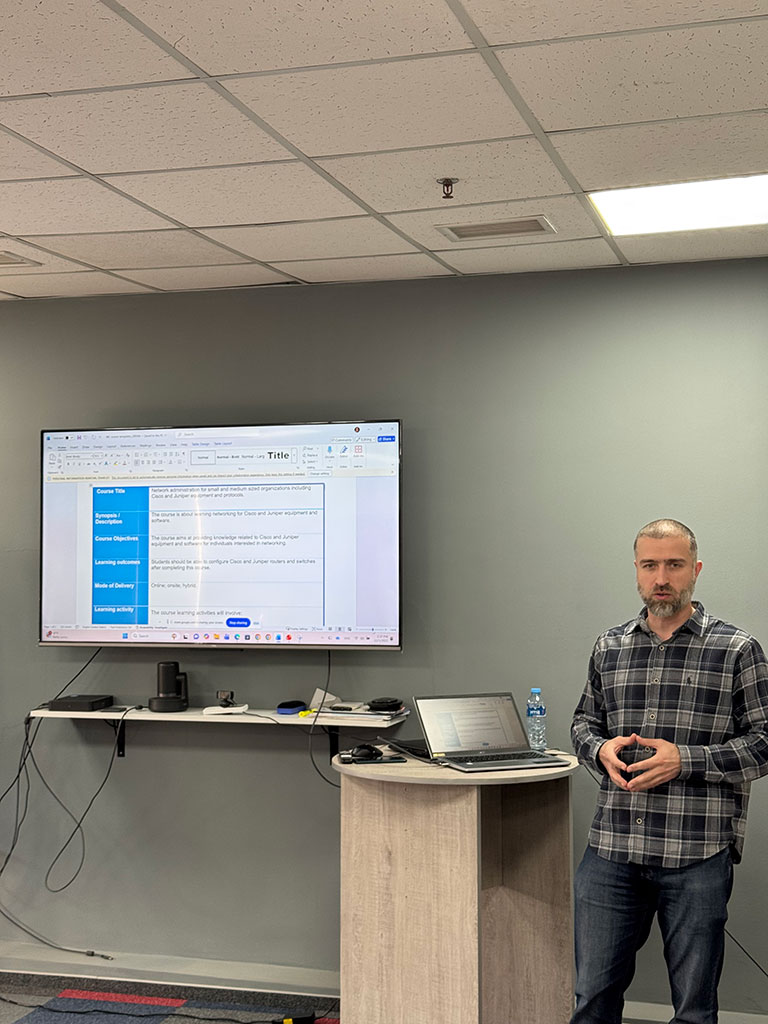

Workshop: Development of Microcredit Programs in Georgia: 5 December 2025
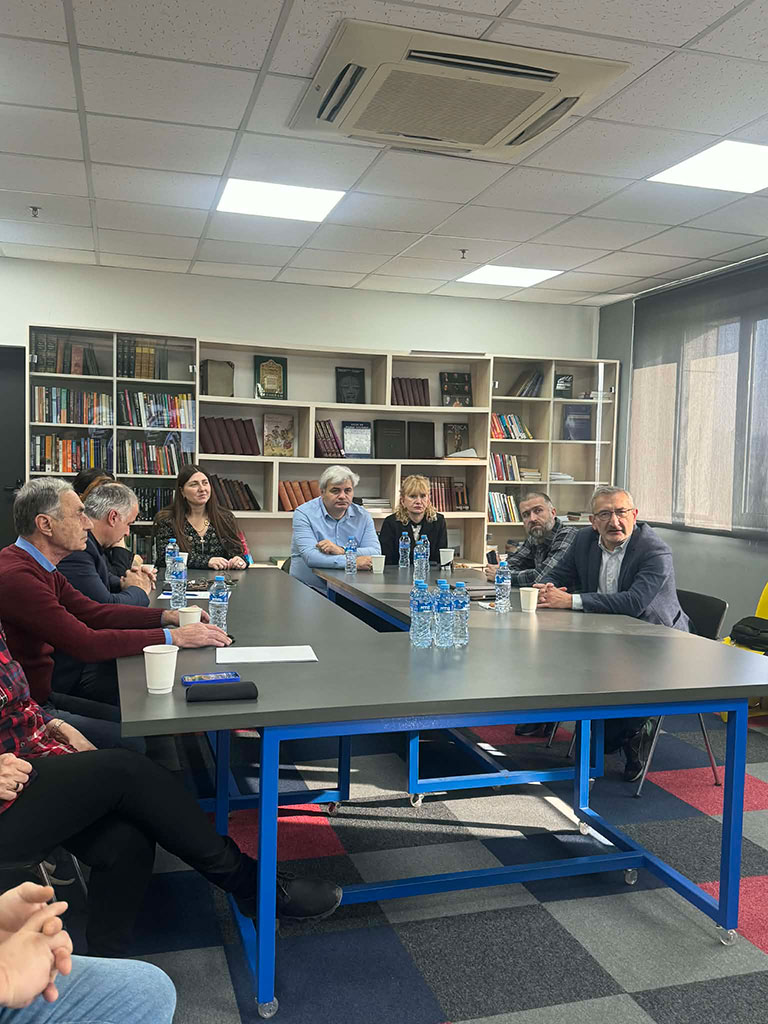
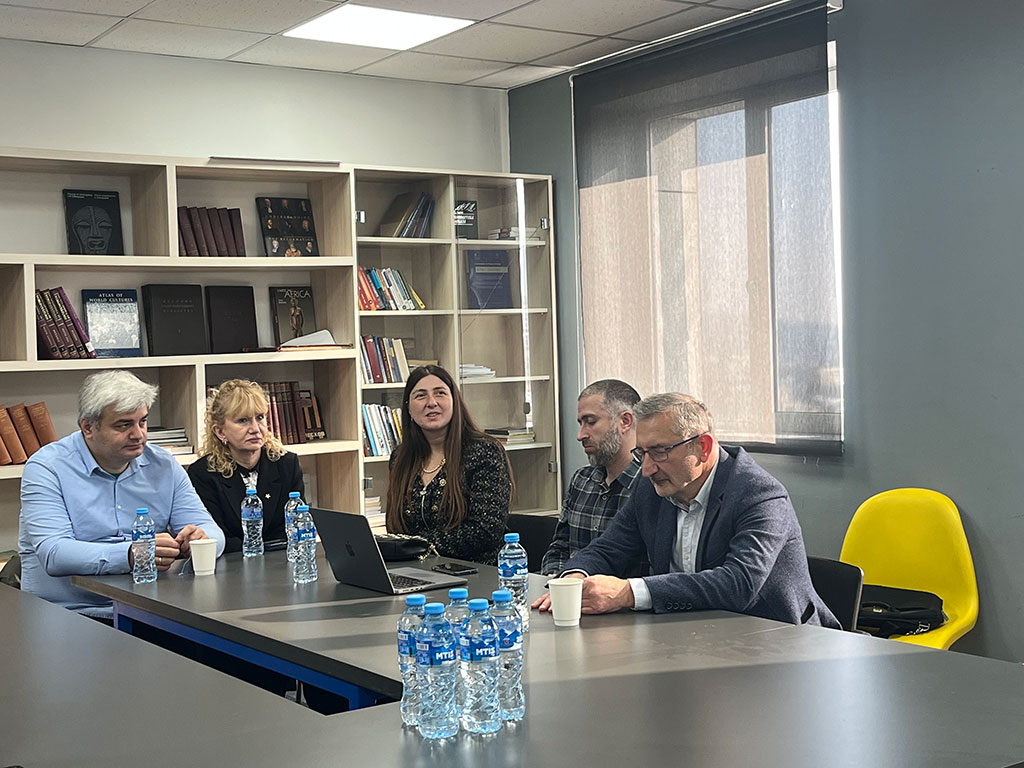
A dedicated workshop was held at the University of Georgia to strengthen awareness and institutional capacity around the full lifecycle of micro credentials, from course design to national level integration. The event brought together academic staff, administrators and project partners to explore how European standards and the best practices that can be effectively implemented within local higher education systems.
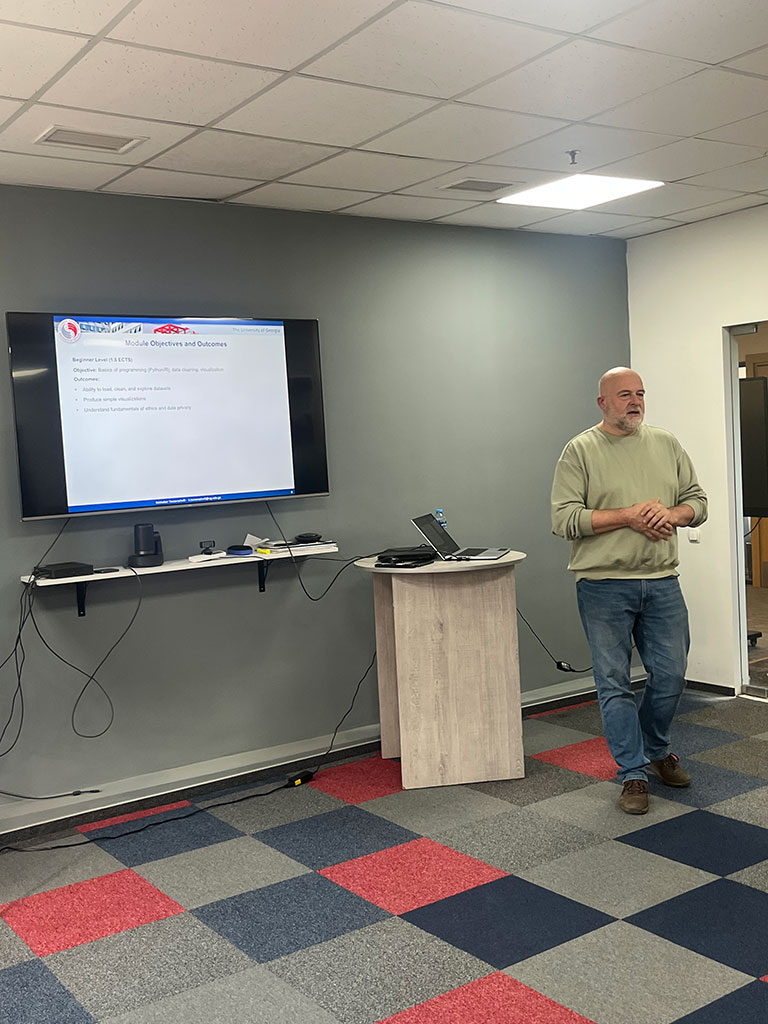
Throughout the workshop participants examined how to design competence oriented short courses and how to structure and deliver micro credential programmes that respond to emerging labour market needs. Special attention was given to assessment standards aligned with EU practices, alongside the regulatory, methodological and quality assurance considerations.
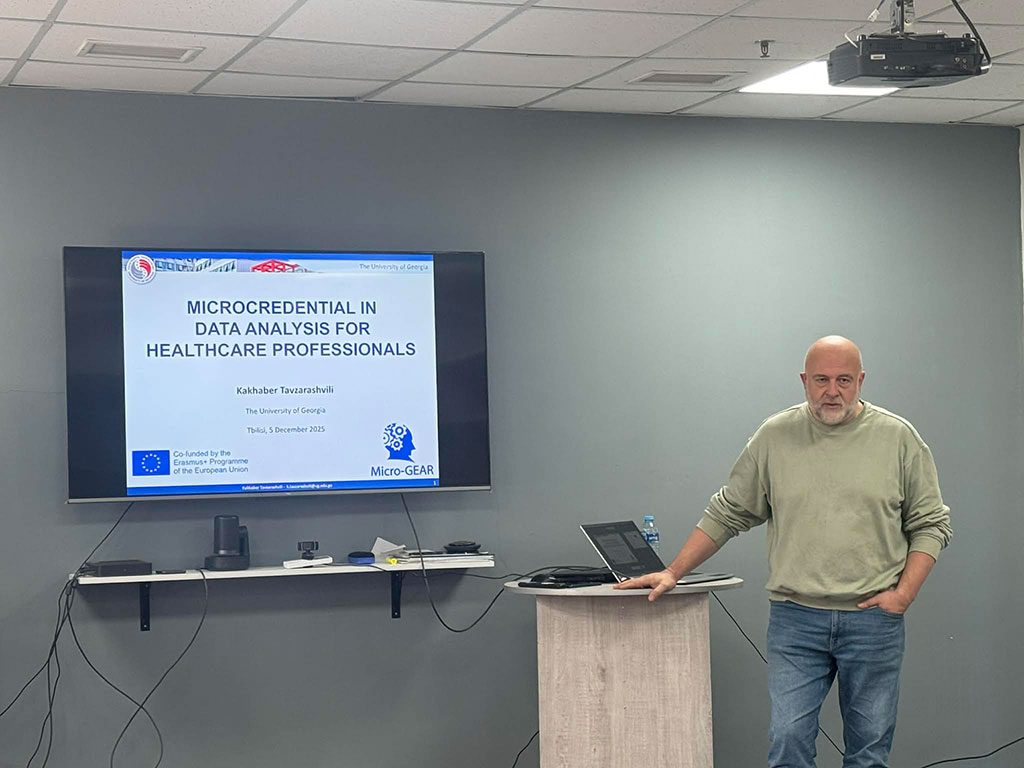
In addition to capacity building discussions, the workshop served as an important platform for disseminating the goals and expected outcomes of the Micro-GEAR project to representatives from other universities. This created opportunities for collaboration and encouraged wider engagement.
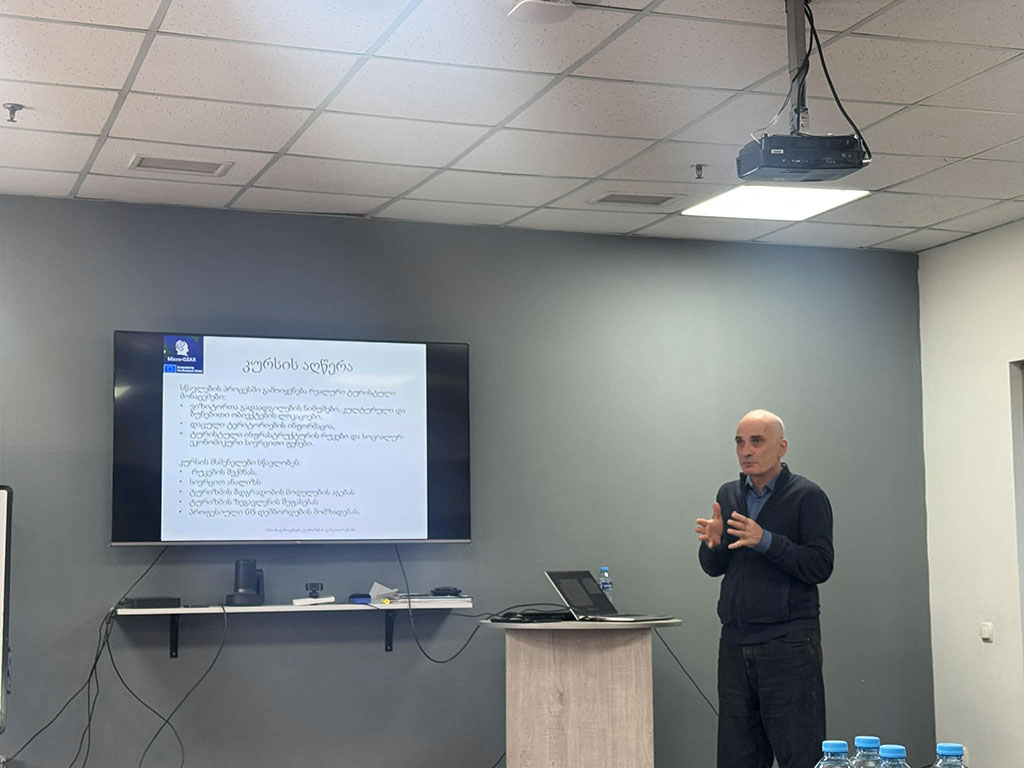
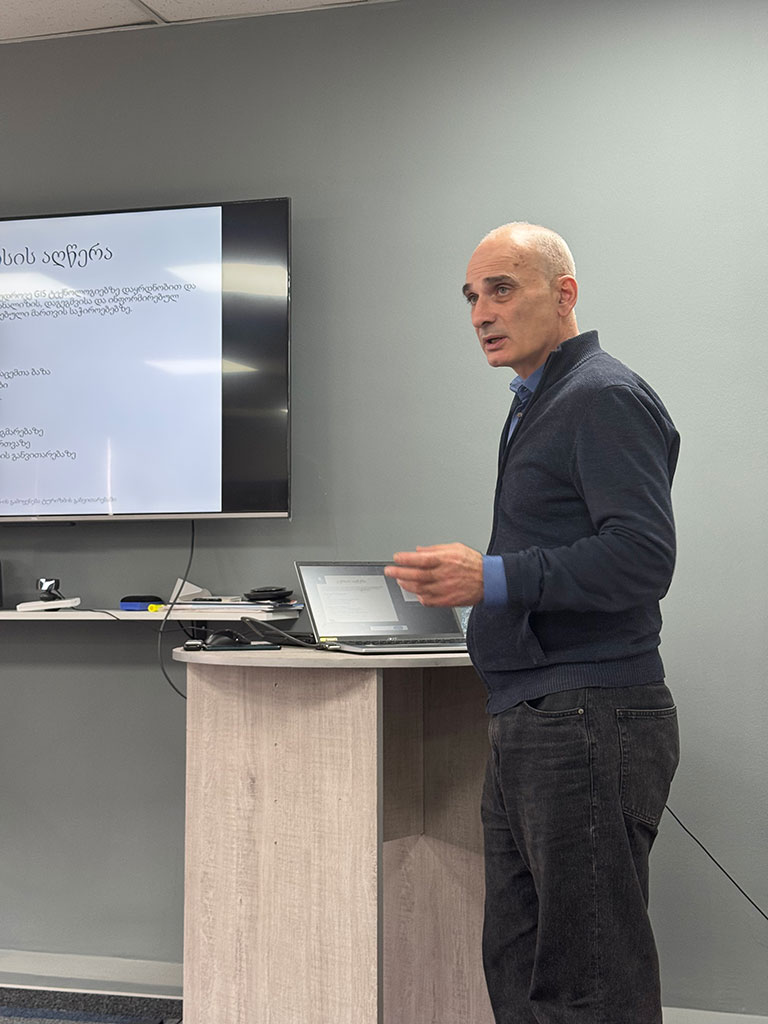
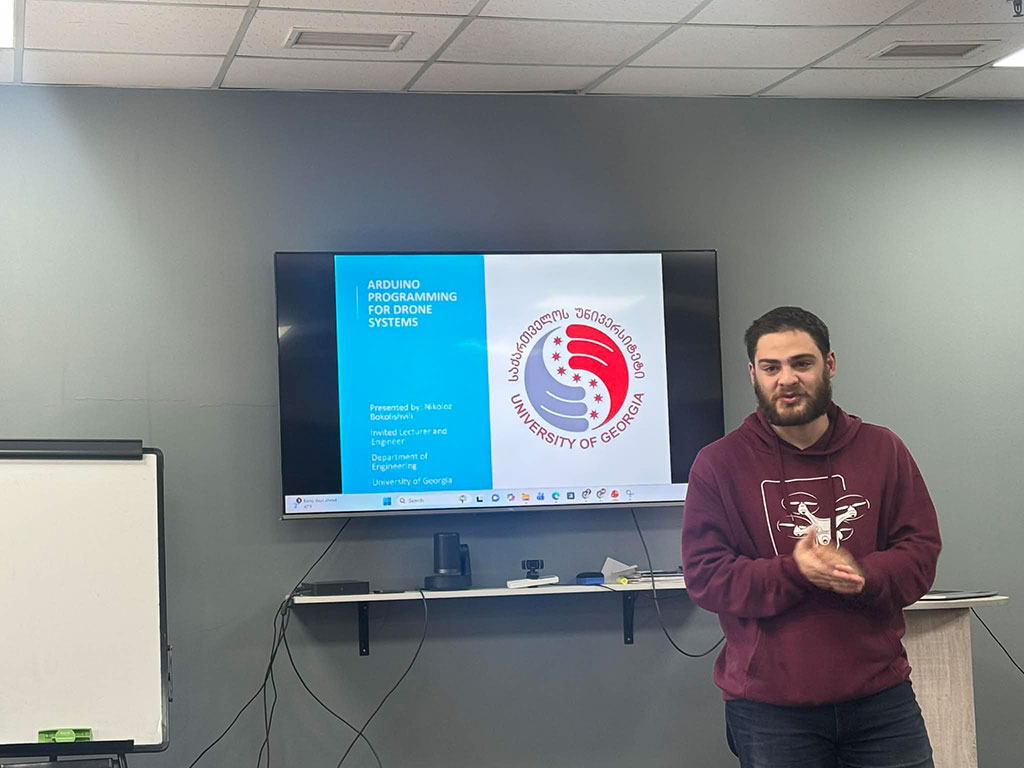
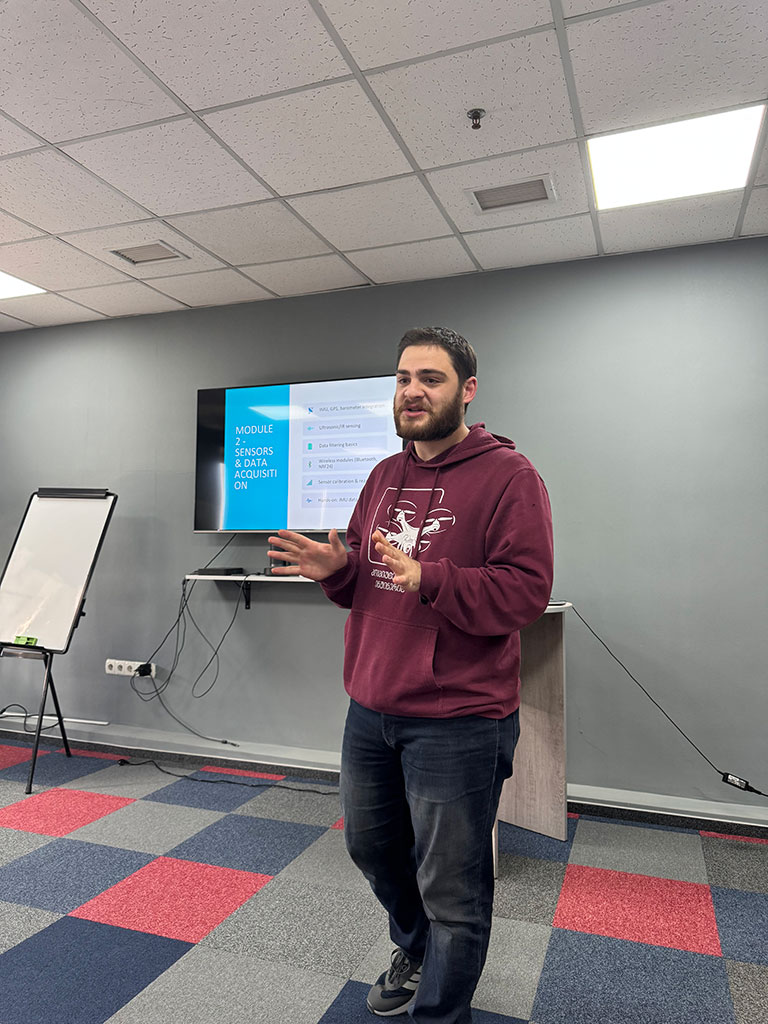
Participants were introduced to several newly developed micro credential course syllabuses created within the project framework. These include Python/R programming for medical data analysis, GIS applications for tourism, microcontroller programming for drones, network technician training and network administration for SMEs.
The workshop concluded with dynamic discussions, during which university representatives shared their perspectives on the implementation of micro credentials, the challenges faced and the opportunities for further innovation.
The event successfully set the stage for continued collaboration and strengthened the commitment to advancing micro credential development within higher education.
Presentations
Photo Gallery